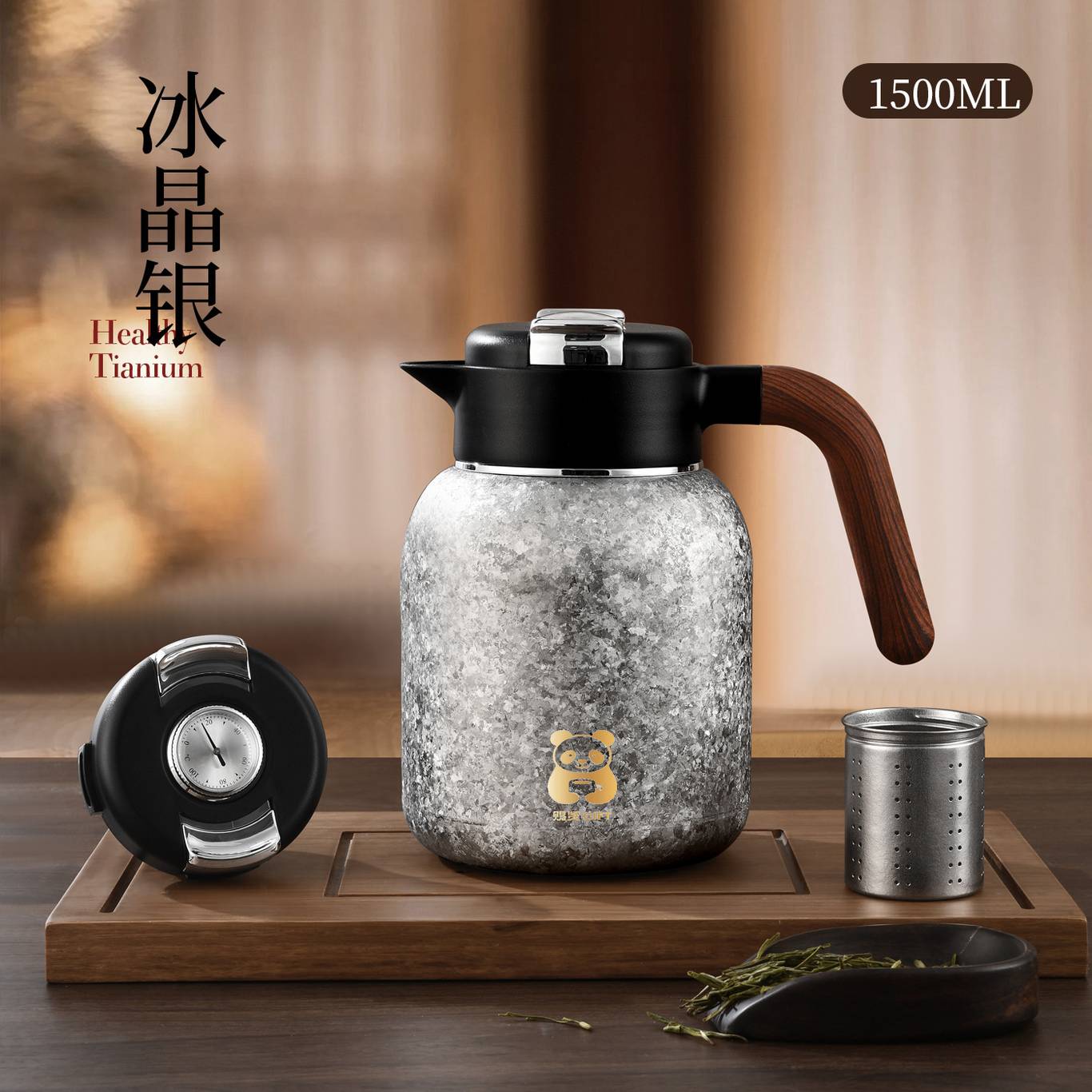
Introduction
When it comes to choosing a premium water bottle, two materials consistently rise to the top: titanium and stainless steel. Both offer significant advantages over plastic bottles, but how do they compare against each other?
This comprehensive guide breaks down every aspect of these two materials to help you make an informed decision—whether you're a consumer seeking the best hydration experience or a B2B buyer sourcing products for your brand.
Material Overview
What is Stainless Steel?
Stainless steel is an iron-based alloy containing chromium (at least 10.5%) and often nickel or molybdenum. The most common grades for water bottles are 304 (18/8) and 316 (18/10) stainless steel, which offer good corrosion resistance and durability.
What is Titanium?
Titanium is a transition metal known for its exceptional strength-to-weight ratio and corrosion resistance. Pure titanium (Ti>99.8%) is used in aerospace, medical implants, and increasingly in premium drinkware. Unlike stainless steel, titanium is completely inert and doesn't react with beverages.
Detailed Comparison Table
| Feature | Stainless Steel | Pure Titanium | Winner |
|---|---|---|---|
| Weight | Heavier (standard) | 40% lighter | Titanium |
| Durability | Very durable, can dent | Extremely durable, dent-resistant | Titanium |
| Taste Impact | May impart metallic taste | Completely neutral, no taste | Titanium |
| Antibacterial | Requires coating for protection | Natural antibacterial properties | Titanium |
| Corrosion Resistance | Good, but can rust in rare cases | Excellent, lifetime durability | Titanium |
| Heat Retention | Good (double-wall vacuum) | Excellent (double-wall vacuum) | Tie |
| Price Point | $15-50 typical | $50-200 typical | Stainless Steel |
| Eco-Friendliness | Good, recyclable | Excellent, infinite recyclability | Titanium |
Weight Comparison
One of titanium's most significant advantages is its lightweight nature. Titanium has one of the highest strength-to-weight ratios of any metal:
- A 500ml stainless steel bottle typically weighs 300-400g
- A 500ml titanium bottle weighs only 150-200g
- This 40-50% weight reduction makes titanium ideal for:
- Outdoor activities (hiking, camping, cycling)
- Daily commute and travel
- Children's water bottles
- Anyone who values lightweight gear
Taste and Health Considerations
This is where titanium truly shines. Pure titanium is completely inert, meaning it doesn't react with:
- Hot beverages (coffee, tea, soup)
- Acidic drinks (juice, sports drinks)
- Any beverage at any temperature
This means:
- No metallic taste — Your beverages taste exactly as they should
- No leaching — No metals or chemicals transfer into your drink
- Better for health — Especially important for children and health-conscious consumers
"Titanium is used in surgical implants because it's completely biocompatible. When you drink from titanium, you're experiencing the same inert, safe material that doctors trust inside the human body."
Antibacterial Properties
Titanium possesses natural antibacterial properties that stainless steel cannot match without additional coatings:
- Titanium inhibits bacterial growth on its surface
- No special coatings required (which can wear off)
- Bacteria don't thrive or multiply on titanium surfaces
- Keeps water fresher for longer periods
Durability and Longevity
Both materials are highly durable, but titanium has the edge:
- Impact Resistance: Titanium is more malleable and resists denting better than stainless steel
- Corrosion: Titanium is virtually corrosion-proof for life; stainless steel can corrode in rare conditions (salt water, chlorine)
- Lifetime Value: While titanium costs more upfront, it often outlasts stainless steel, providing better long-term value
Environmental Impact
In our eco-conscious world, both materials are far superior to single-use plastic:
- Both are 100% recyclable
- Titanium: Can be recycled infinitely without losing properties
- Stainless Steel: Recycling quality decreases over time
- Production Impact: Titanium production is more energy-intensive, but its longer lifespan partially offsets this
Price Comparison
It's true that titanium comes with a higher price tag:
| Type | Typical Price Range |
|---|---|
| Basic Stainless Steel | $10-25 |
| Premium Stainless Steel (Hydro Flask, Stanley) | $30-55 |
| Entry-Level Titanium | $40-70 |
| Premium Titanium (Like GIFT) | $70-200+ |
Value Consideration: When comparing per-use cost over a lifetime, premium titanium often becomes the more economical choice.
Who Should Choose Titanium?
Titanium is the better choice for:
- Health-conscious consumers — Wanting the purest drinking experience
- Outdoor enthusiasts — Who value lightweight, durable gear
- Children — Safe, light, and BPA-free
- Premium gift buyers — Seeking luxury, thoughtful presents
- Businesses — Looking for high-margin, premium product lines
Who Should Choose Stainless Steel?
Stainless steel makes sense when:
- Budget is the primary concern
- Basic hydration needs without premium features
- Replacement frequency is acceptable
Conclusion: The Verdict
While stainless steel remains an excellent choice for everyday hydration, titanium offers superior performance in nearly every measurable category. For those who can afford the investment, titanium provides:
- 40% weight reduction
- Completely neutral taste experience
- Natural antibacterial protection
- Lifetime durability
- Better long-term value
The question isn't really "which is better"—it's "which is right for your needs and budget." For B2B buyers looking to stock premium products, titanium represents the fastest-growing segment of the premium drinkware market.
Ready to source premium titanium water bottles for your business? Contact GIFT Titanium for wholesale pricing and OEM options.